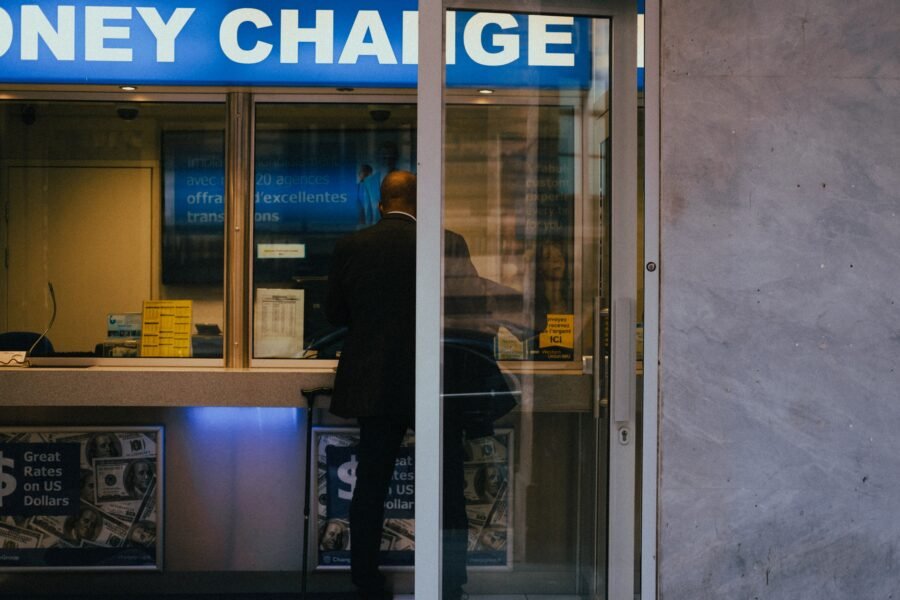

The Thailand entry requirements for tourists are simple once you know them.
Carry a passport valid for at least six months, check whether your nationality gets 30 days visa-free (60 countries do, including the US, UK, Canada, Australia, and India), and submit the free Thailand Digital Arrival Card online within 3 days before you land. Also keep proof of funds (10,000 baht per person), your hotel booking, and your onward flight easy to show.
I’m an Indian passport holder, and I first entered Thailand through Suvarnabhumi Airport in November 2023. Rules have changed since then.
The old 60-day visa-free stay ended on 15 September 2026.

The rest of this guide explains each step in order, so you can check everything before you fly. Bookmark this page and run through it a few days before your trip.
Thailand entry requirements for tourists at a glance
- Passport: valid for at least six months after your arrival date, with at least one blank page (UK FCDO)
- Visa status: check whether your passport qualifies for the 30-day visa exemption, or whether you need a visa (TAT)
- Thailand Digital Arrival Card (TDAC): submit it online, for free, within 3 days before you arrive (Royal Thai Embassy)
- Proof of funds: keep evidence of at least 10,000 baht per person ready (20,000 baht if you hold a tourist visa) (TAT)
- Accommodation and onward travel: have your hotel booking and your flight out of Thailand easy to show
- Health: a yellow fever certificate if you are arriving from a risk country (UK FCDO)
- Checked bags: use a TSA-compatible lock and keep valuables in your hand luggage (TAT)
Before you go: Do you need a visa for Thailand?
This is the first thing to settle, and it is where the most recent change hits hardest. Since 15 September 2026, Thailand has replaced its 60-day visa exemption with a country-by-country system.
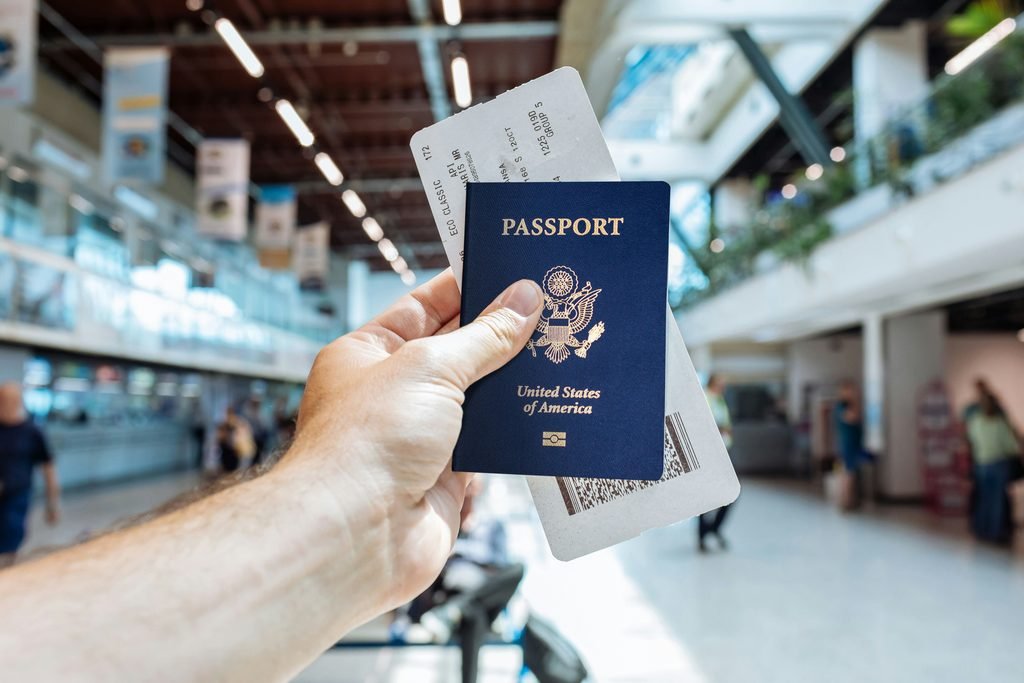
Here is how it works, based on the Royal Gazette list published by the Tourism Authority of Thailand (TAT):
- 30-day visa exemption: passport holders from 60 countries and territories can enter for tourism without a visa and stay up to 30 days. The list includes the US, the UK, Canada, Australia, India, Japan, Germany, France, Italy, Spain, the Netherlands, Singapore, Malaysia, the Philippines, Indonesia, UAE, Saudi Arabia, and South Africa, among others.
- 15-day visa exemption: applies to Seychelles and Mauritius.
- Visa on Arrival: applies to Azerbaijan, Belarus, and Serbia.
- Other arrangements: some nationalities have separate bilateral agreements giving 90, 30, or 14 days, so check yours with a Thai embassy.
If your country is not on the 30-day list, you will likely need to apply for a visa before you travel, through the official Thai e-Visa portal or a Royal Thai Embassy. Allow plenty of time, because processing can take longer than expected.
A few details are easy to miss. Visa-exempt entry covers tourism only, so business activity needs the right visa (UK FCDO). If you enter by a land border under the 30-day exemption, you can generally do so only twice per calendar year. TAT says this limit does not apply to nationals of Malaysia, Brunei, Indonesia, and Singapore, and the UK government notes it does not generally apply to arrivals by air. And if you entered Thailand before 15 September 2026, you will usually be allowed to stay for the period granted when you arrived.
Pro Tip: The full 60-country list is long, and it can be amended. Always confirm your nationality in the TAT announcement and with your nearest Royal Thai Embassy before you book flights.
The Visa Mistake I Made
A few months before my trip, I applied for a Thailand tourist sticker visa in advance and paid [$30]. Before I travelled in November 2023, Thailand introduced visa-free entry for Indian passport holders, so I no longer needed it.
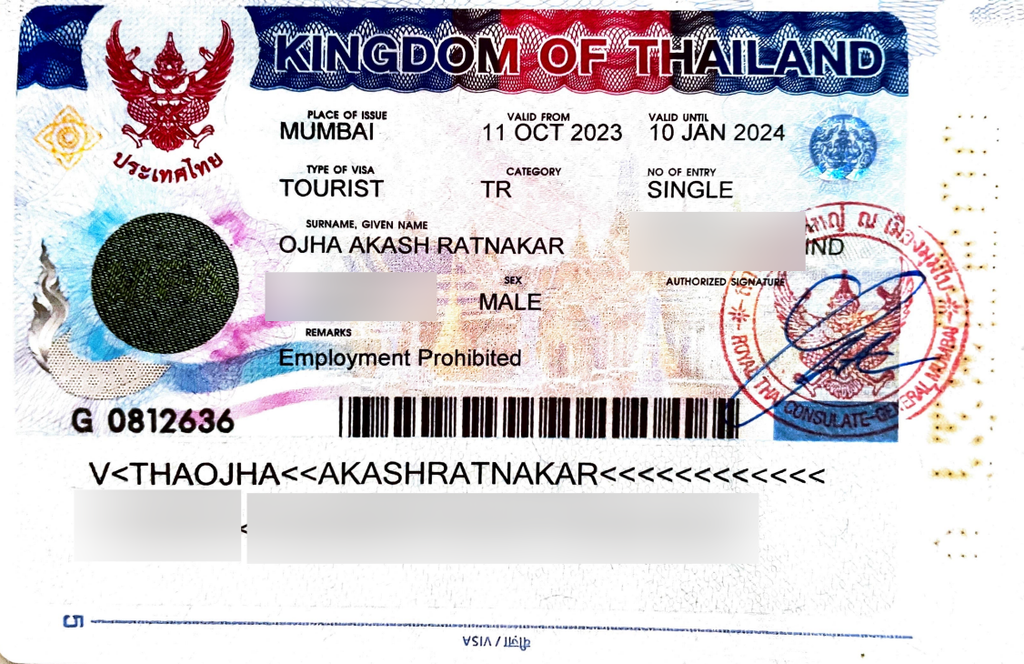
Unfortuanely the visa was already granted so there is no way to get a refund. So I lost some money there.
My advice: If your visa rules might change, don’t pay months ahead. Check the TAT and Royal Thai Embassy sources again a few weeks before you fly.
Step-by-step: How to submit your Thailand Digital Arrival Card (TDAC)
When I entered Thailand in November 2023, there was no Thailand Digital Arrival Card. The TDAC only became mandatory on 1 May 2025
Since 1 May 2025, all non-Thai nationals entering Thailand by air, land, or sea must complete the Thailand Digital Arrival Card online. It replaces the old paper TM6 form and applies whether you are visa-exempt or hold a visa. It is not a visa, and you must file a new one every time you enter Thailand.
1. Use only the official website
The TDAC is free on the official Immigration Bureau site at tdac.immigration.go.th. The Royal Thai Embassy warns travellers to submit their information only on that site and not to pay anyone who asks for a fee. You can also file through the official THIM (Thailand Immigration Management) app.
2. Submit it within 3 days of arrival
The form must be submitted within 3 days before you arrive. For example, if you land on 10 November, you can normally submit from 8 November. Prepare your details in advance and submit during that window.
3. Have your details ready
You will need your passport details, flight information, and the address of your first night’s accommodation. It usually takes just a few minutes to complete.
4. Save your QR code
After you submit, you will receive an email with your digital card and a QR code. Screenshot it, save it to your phone, and consider printing a copy as well.
Pro Tip: Submit your TDAC the day before you fly rather than at the airport. Some airlines also ask for confirmation before boarding, and a slow connection at the check-in desk is a stressful way to find out.
What to carry in your hand luggage
Thailand’s Immigration Bureau officers make the final decision on every entry. You will not be questioned at length in most cases, but it helps to have the following easy to reach, not buried in a checked bag.
“I carry a physical printout of my return flight alongside my phone. At Bangkok immigration, mobile connectivity can drop inside the immigration hall, and officers prefer glancing at a piece of paper over waiting for your screen to reload.”
1. Your passport
Your passport must expire at least six months after your arrival date and have at least one blank page for the stamp. If it is close to expiring, renew it before you go.
2. Your TDAC confirmation
Keep the QR code on your phone, and a printed copy as a backup in case your battery dies.
3. Proof of funds
This is the one that catches travellers off guard. TAT reminded visitors in July 2026 that they may be asked to show sufficient funds. This is not a new rule, as it has been in place since 1980. The amounts depend on your entry category:
- Certain visa-exempt entries and Visa on Arrival: 10,000 baht per person, or 20,000 baht per family
- Tourist visa: 20,000 baht per person, or 40,000 baht per family
- Children under 12: not required
You can show this in baht, in an equivalent foreign currency, or with documents proving payment of an equivalent amount. You may never be asked, but the UK government notes that British nationals have been refused entry for failing to provide this evidence, so it is easy to keep a bank statement or some cash on hand.
4. Accommodation details
Have your first hotel booking confirmation saved on your phone, with the name and address. If you are staying with friends, keep their address handy.
I was staying at two different hotels in 2 different cities so I carried the travel docs for both and also mentioned the hotel details in my travel cover letter (Cover letter is need for getting a visa)
5. Proof of onward travel
Keep your flight out of Thailand, or your onward ticket, easy to show. The UK government lists evidence of onward or return travel among the things you may be asked for. This is particularly useful if you are arriving on a one-way ticket, because officers may ask about your plans.
Pro Tip: Make a single folder on your phone called “Thailand Entry” and put your passport photo page, TDAC QR code, hotel booking, onward flight, and bank statement in it. Download it for offline use, so you are not relying on airport Wi-Fi.
What to expect at Thai immigration
On arrival, you will join the immigration queue and present your passport. The officer will stamp it with your permitted stay. Check the date on the stamp, because it tells you the last day you can legally stay.
If you are asked a question, keep your answer simple and honest: how long you are staying, where you are staying, and when you are leaving. Officials may refuse entry if they believe you are not a genuine visitor, so a clear plan and tidy documents go a long way.

My Thai Immigration experience in 2023
This was my first international trip, so I was a little nervous about immigration. After landing, the queue was very long, and I had to wait quite a while to reach the immigration counter.
If you want to save time, I would recommend getting a Skip-the-Line immigration service through Klook if available at your airport. The immigration officer was friendly and asked me a few basic questions, such as how long I planned to stay, the purpose of my visit, and which places I was planning to visit. They also checked my hotel booking documents, but I was not asked to show proof of funds.
However, I would still recommend carrying bank statements or other financial documents just in case.
Overall, the immigration process was smooth, and the officer was polite. My tip: keep your passport, hotel bookings, return ticket, and other travel documents together in one folder so you can easily show them whenever needed.
What else to check before you pack
Entry rules are only part of the picture. These checks are worth doing before you fly.
1. Checked baggage screening
For flights departing Thai airports from 16 October 2026, the Civil Aviation Authority of Thailand (CAAT) allows screening officers to open checked baggage without the owner present if an item looks suspicious or prohibited. Bags will not be opened routinely, the inspection is video recorded, and you will be notified afterwards. This matters for your journey home, not your arrival.
CAAT recommends using a TSA-compatible lock, so officers can open your bag without cutting it. It also advises keeping valuables, fragile items, and important documents out of checked baggage.
2. Vapes, e-cigarettes, and cigarettes
TAT states that e-cigarettes are illegal in Thailand and that travellers can be arrested and face jail time or a fine several times the value of the item. Leave vaping devices at home. You can bring no more than 200 cigarettes per person, and going over the limit can mean a fine of 10 times the value. See the Thai Customs rules for other restricted goods.
“Don’t risk packing a vape or e-liquid, even in checked luggage. I’ve seen travelers stopped right outside the baggage exit for routine random X-ray scans. It is strictly enforced.”
3. Medication
If you take prescription medicine, bring it in its original packaging with a copy of your prescription or a doctor’s letter.
4. Drones
If you plan to fly a drone, read TAT’s updated guide for tourists before you pack one.
5. Travel insurance and health
The only vaccine certificate the UK government lists for entry is yellow fever, and only if you are arriving from a country with a transmission risk. Thailand has also introduced health screening for travellers arriving from regions affected by the Ebola outbreak, with a mandatory quarantine or self-isolation period of at least 21 days. The World Health Organization has declared the outbreak a public health emergency of international concern. None of the official entry guidance we reviewed lists travel insurance as an entry document, but it is still worth having, and the UK government covers it on its Thailand travel advice page.
Two things you may hear about (but should not rely on)
Travel news often mentions an Electronic Travel Authorisation (ETA) for visa-exempt visitors and a 300-baht tourist fee. Neither appears in the current UK government entry requirements for Thailand or in TAT’s latest visa announcement, and we could not confirm that either is in force for tourists. Do not pay for either through a third-party site. Check the official TDAC site and the Thai Immigration Bureau before you travel, because this is exactly the kind of rule that can change quickly.
Tips for a smooth arrival in Thailand
Count your days from the stamp
Your 30 days run from the date of entry on your stamp. Put the last legal day in your phone calendar, and if you want to stay longer, apply for an extension through Thai immigration before it expires. Overstaying carries a fine of 500 baht a day up to a maximum of 20,000 baht, and you risk detention, deportation at your own expense, and a ban from re-entering Thailand for up to 10 years.
Do not pay for the arrival card
If a website asks you for money for a TDAC, you are not on the official site. Go back to tdac.immigration.go.th, which the Royal Thai Embassy confirms is free of charge.
Screenshot everything
Bookings, QR codes, and funds should be saved offline. Phone signals in arrival halls can be patchy.
FAQs about Thailand entry requirements for tourists
Do I need a visa to visit Thailand as a tourist?
It depends on your passport. Citizens of 60 countries and territories, including the US, UK, Canada, Australia, and India, can enter visa-free for up to 30 days, according to TAT. Others may need a visa, a Visa on Arrival, or may be covered by a bilateral agreement, so check with a Thai embassy.
Is the 60-day visa exemption still available?
No, it ended on 15 September 2026. If you entered before that date under the 60-day scheme, you will usually be allowed to stay for the period granted when you arrived.
How early can I submit the Thailand Digital Arrival Card?
You can submit it within 3 days before arrival. Prepare your details earlier, but file during that window.
Does the TDAC cost anything?
No, it is free of charge on the official website at tdac.immigration.go.th. The embassy warns against paying anyone who asks for a fee.
How much money do I need to show when entering Thailand?
Officers may ask for 10,000 baht per person for visa-exempt entry or Visa on Arrival, or 20,000 baht per person if you hold a tourist visa, according to TAT. Children under 12 are exempt. You can show cash, foreign currency, or documents proving payment of an equivalent amount.
Do I need a return ticket to enter Thailand?
Keep your flight out of Thailand easy to show. The UK government notes that officers may ask for evidence of onward or return travel, and that British nationals have been refused entry for failing to provide it. This matters most if you are arriving on a one-way ticket.
Official sources to check before you fly
Entry rules can change, and the final decision always rests with the immigration officer at the checkpoint. The UK government’s advice is written for British passport holders, but the entry rules it describes are set by Thailand. These are the official sources used for this guide, and the best places to confirm the latest details:
- Thailand Digital Arrival Card, Thai Immigration Bureau
- Thai Immigration Bureau, call centre 1178 (English available)
- Royal Thai Embassy, Abuja: Thailand Digital Arrival Card
- UK FCDO: Thailand entry requirements, last updated 12 October 2026
- TAT visa announcement: new 30-day and 15-day rules, 1 September 2026
- TAT proof-of-funds reminder, 6 July 2026
- TAT baggage screening notice, 11 August 2026
- TAT e-cigarette warning
- TAT drone guide
- WHO Ebola declaration